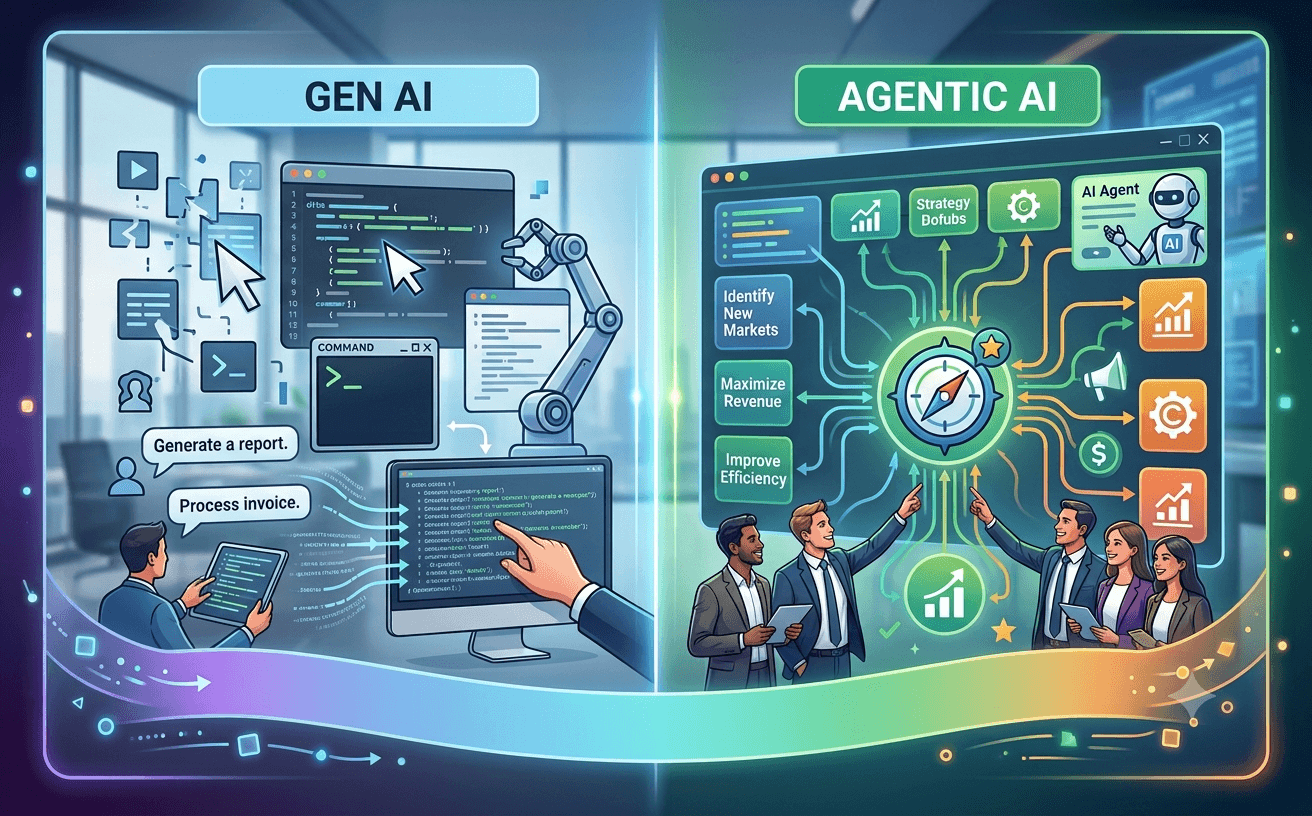



Artificial Intelligence (AI) has officially moved from sci-fi lore into the operational backbone of modern business. It filters our inboxes, screens candidates, drives financial decisions, powers medical diagnostics, and optimizes Cloud Infrastructure.
However, as AI systems transition from task-based automation into autonomous agents capable of independent decision-making, a crucial reality has surfaced: the technology is evolving faster than our safeguards.
Without an ethical framework, powerful AI models risk amplifying human biases, eroding digital privacy, and creating an overwhelming trust deficit. Building and deploying Responsible AI is no longer just a compliance checklist—it is an existential requirement for sustainable digital transformation.
1. Algorithmic Bias: When Code Mirrors Misconduct
One of the most persistent myths about AI is that algorithms are inherently objective. In reality, a model is only as neutral as the data used to train it. If historical datasets contain systemic biases, the algorithm learns, scales, and automates those exact flaws.
[ Historical Biased Data ] ──> [ Machine Learning Model ] ──> [ Automated Scale Bias ]Real-World Consequences
- Hiring & Recruitment: Algorithms trained on historical resume data have repeatedly penalized candidates from underrepresented backgrounds or non-traditional career paths.
- Lending & Finance: Credit-scoring systems have utilized proxy variables (such as postal codes) to systematically offer higher interest rates or deny loans to minority applicants.
- Healthcare & Service Access: Risk-evaluation tools have inadvertently prioritized healthier populations over underprivileged groups due to misaligned underlying financial metrics.
Ethical adoption requires continuous bias auditing, diverse training datasets, and human-in-the-loop governance—core principles supported through custom Automation AI and machine learning integrations.
2. The “Black Box” Problem: The Need for Transparency
As deep learning architectures grow in complexity, even the engineers who design them often cannot trace precisely how a specific output was produced. This is known as the Black Box Problem.
Why Explainable AI (XAI) Matters: If an AI system denies a loan, flags a medical scan as malignant, or rejects a critical business application, stakeholders have a fundamental right to understand the underlying logic.
Black Box System:      Input Data ──> [ ??? Unknown Logic ??? ] ──> Decision
Explainable AI (XAI):  Input Data ──> [ Auditable Logic & Drivers ] ──> Decision + Reason
Without auditability, holding teams accountable when an algorithm fails becomes near-impossible. Organizations must transition toward Explainable AI (XAI) frameworks that deliver clear rationale alongside outputs—an essential aspect of enterprise-grade Analytics & Insights.
3. Privacy, Data Harvesting, and Mass Surveillance
Modern generative AI models require vast datasets. Frequently, personal information, proprietary code, and public content are ingested without explicit user consent or clear data provenance.
| Privacy Risk | Impact on Users & Enterprises | Ethical Solution |
| Unauthorized Data Scraping | Loss of intellectual property and personal data control. | Strict data provenance, consent layers, and strict access governance. |
| Agentic Profiling | AI agents linking scattered digital footprints to compile deep profiles. | Privacy-first architecture and end-to-end data encryption. |
| Facial & Voice Tracking | Mass surveillance risks across public and corporate spaces. | Strict regulatory boundary enforcement and non-consensual biometric bans. |

Privacy, Data Harvesting, and Mass Surveillance
4. Deepfakes and the Crisis of Digital Trust
With hyper-realistic voice synthesis and generative video, creating convincing fake media takes seconds. This proliferation of synthetic content creates severe risk vectors across industries:
- Financial Scams: Voice-cloned audio used to trick finance teams or executives into authorizing fraudulent transactions.
- Disinformation: Synthetic video or audio designed to manipulate market sentiment and corporate reputation.
- Erosion of Truth: A culture where genuine digital evidence is questioned because “it could just be AI.”
Fabricated Media ──> Lack of Watermarking ──> Rapid Social Spread ──> Erosion of TrustMitigating these threats requires cryptographic verification standards (like C2PA metadata watermarking) and explicit disclosures whenever users interact with automated agents or Automated AI Chatbots.

Deepfakes and the Crisis of Digital Trust
5. The Four Pillars of Responsible AI
To safeguard systems against these ethical failure points, global standards focus on four fundamental pillars:
- Fairness & Inclusivity: Ensuring models do not discriminate based on protected characteristics like race, gender, or age.
- Accountability: Maintaining clear human ownership over high-stakes decisions—humans must remain in control of high-risk workflows.
- Safety & Security: Protecting systems against prompt injections, data poisoning, and unexpected systemic behavior.
- Transparency: Disclosing automated interactions and keeping algorithmic logic fully auditable.
Conclusion: Balancing Innovation with Integrity
Responsible AI is not about stifling progress; it is about ensuring that technological growth is safe, scalable, and trustworthy. Pushing for speed without guardrails creates fragile systems that erode public and enterprise confidence.
Navigating this complex landscape requires a clear strategy. At Softica, we work closely with organizations to build, deploy, and scale intelligent AI systems that prioritize transparency, security, and real business impact. Ready to implement AI responsibly? Contact Softica’s AI Specialists to learn how we can help safeguard your technological future.